Optimize Sunlight: The Advantages of Installing Rooflights in Your Residential Areas
Increasing daylight through the addition of rooflights can greatly transform living spaces. This architectural choice not only enhances aesthetic appeal but also leads to improved mood and productivity. Additionally, it enables enhanced energy efficiency and natural ventilation. As homeowners look for ways to boost comfort and value, the merits of rooflights become increasingly evident. What other perks might be realized by including this feature into your home design?
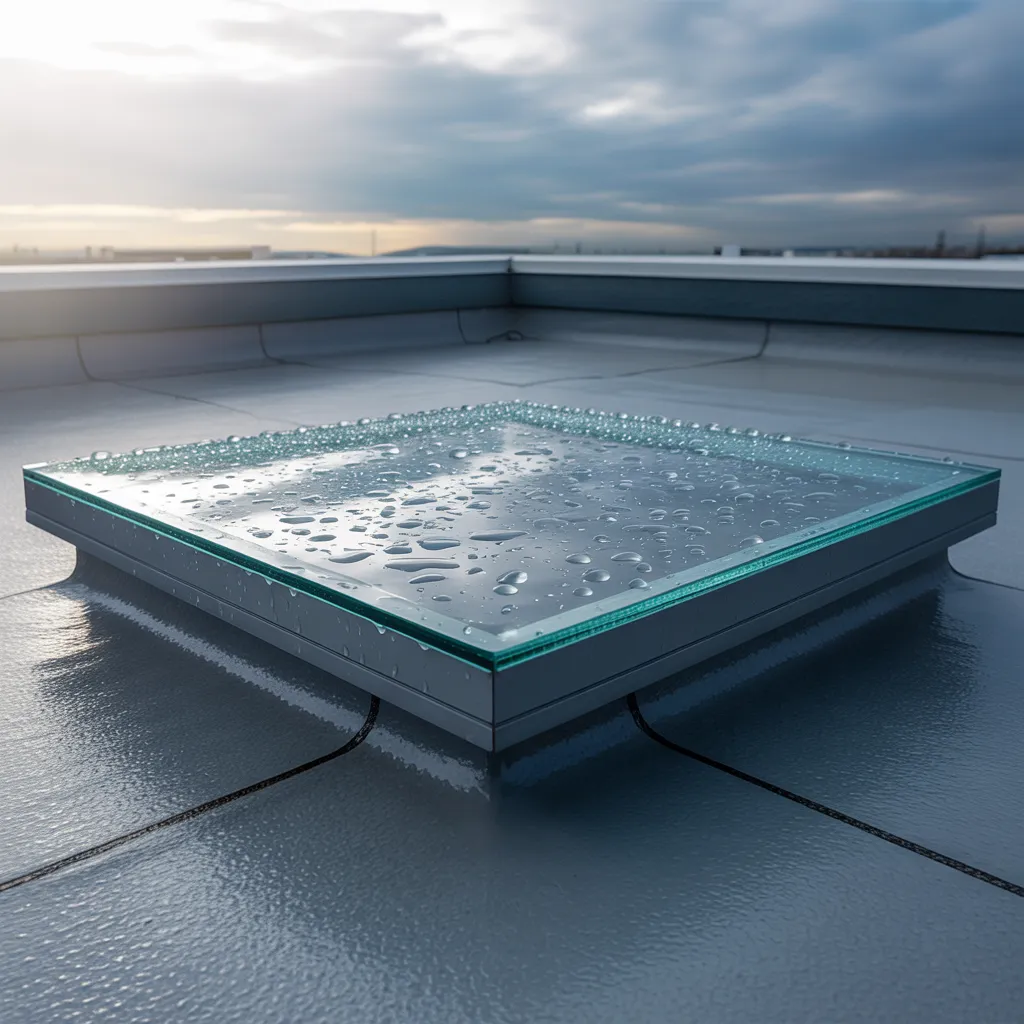
Enhancing Cosmetic Appeal
When residents think about options to boost the aesthetic value of their see the facts properties, installing rooflights emerges as a compelling option. Rooflights not only introduce natural light but also create a sense of expansiveness and outdoor integration. The design architecture of a room can be significantly changed when natural light streams in from the ceiling, lighting up rooms and emphasizing textures and colors.
Furthermore, rooflights function as a focal point, guiding the eye upward and elevating the overall spatial dynamics. They can be adapted in multiple shapes and sizes, allowing homeowners to tailor them to their unique design preferences. The sleek, modern appearance of rooflights enhances contemporary interiors, while also integrating harmoniously into traditional settings. In the end, the incorporation of rooflights can elevate the visual appeal of any room, making it feel more attractive and spacious, thereby contributing to a more striking and memorable home environment.

Improving Emotional State and Personal Wellness
Although various aspects affect an individual's emotional state and well-being, adding natural light through rooflights can have a profound impact. Research demonstrates that exposure to natural light can elevate mood by increasing serotonin levels, which is connected to positive emotional conditions. Rooflights let sunlight to flood living spaces, producing an uplifting atmosphere that fosters positivity.
Moreover, natural light assists in the regulation of circadian rhythms, which are vital for maintaining healthy sleep patterns. A well-lit environment promotes a sense of vitality and alertness, lessening feelings of lethargy and depression. Moreover, the aesthetic appeal of a sunlit room can promote creativity and productivity, making it an ideal space for work or leisure. By incorporating rooflights, homeowners can create a more welcoming and cheerful environment that enhances overall well-being. In this way, the addition of rooflights serves not just an aesthetic purpose but also a significant role in mental health.
Boosting Energy Effectiveness
As residential owners steadily search for sustainable choices, the installation of rooflights emerges as a pivotal strategy for increasing energy efficiency. By enabling natural light to brighten living spaces, rooflights decrease the dependence on artificial lighting during daylight hours. This not only reduces electricity consumption but also reduces energy bills, resulting in a more green lifestyle.
Moreover, rooflights can contribute to controlling indoor temperatures. By utilizing sunlight, they can heat spaces in cooler months, reducing the need for heating systems. Alternatively, strategically placed rooflights can facilitate ventilation, enabling hot air to escape during warmer seasons, which reduces reliance on air conditioning.
The use of energy-efficient glazing in rooflight design enhances these positive aspects. This technology helps preserve comfortable indoor temperatures while minimizing heat loss during colder months. Therefore, installing rooflights not only improves the aesthetic value but also plays a vital part in achieving a more energy-efficient home.
Boosting Productivity and Focus
The installation of rooflights can greatly enhance mood and energy levels, contributing to a more vibrant work environment. Greater exposure to natural light has been proven to enhance concentration, allowing individuals to focus better on tasks at hand. As a result, the workplace becomes not only more welcoming but also better suited for productivity.
Enhanced Emotional Well-being and Energy
Natural light plays an essential role in enhancing mood and energy levels, which in turn can greatly improve productivity and focus. Scientific evidence indicates that exposure to natural sunlight stimulates the production of serotonin, a neurotransmitter linked to feelings of well-being and happiness. This boost in mood can lead to increased motivation and a more positive outlook on daily tasks. Moreover, natural light helps regulate circadian rhythms, supporting better sleep patterns and overall energy levels. In living spaces where rooflights are installed, individuals often report feeling more revitalized and less worn out. By incorporating rooflights, homeowners can create an environment that not only boosts morale but also supports sustained energy throughout the day, ultimately contributing to a more energetic and accomplished daily life.
Better Concentration Levels
The installation of rooflights can substantially improve concentration levels in both business and living environments. By permitting natural light to flood in, they create a more welcoming and energizing atmosphere. This stream of light has been found to reduce eye strain, thereby promoting longer periods of focused work. Employees and residents alike often find that well-lit spaces encourage improved cognitive function and enhanced judgment. Additionally, the bright environment can reduce feelings of fatigue, which often limit productivity. As individuals engage in tasks, the presence of natural light can also foster a sense of connection to the outside world, breaking the monotony of artificial lighting. Ultimately, rooflights serve as an powerful tool for elevating focus and overall productivity in numerous settings.
Natural Lighting Advantages
Though many factors influence workplace effectiveness, the presence of natural light emerges as an essential element for boosting productivity and focus. Studies indicate that exposure to natural light improves mood, decreases stress, and increases overall health, resulting in a more motivated workforce. Employees working in environments flooded with natural light tend to report higher energy levels and enhanced concentration. This boost in morale not only fosters creativity but also supports sustained attention on tasks. Moreover, natural light helps control circadian rhythms, promoting healthier sleep patterns that lead to better alertness during working hours. All in all, incorporating rooflights into living spaces can greatly elevate productivity levels and sharpen focus, creating an environment conducive to success.
Supplying Natural Air Circulation
Rooflights serve as an effective solution for enhancing indoor air quality by enabling natural ventilation. By letting warm air to escape through the upper spaces of a room, rooflights create a natural airflow that helps to regulate indoor temperatures. This passive ventilation minimizes reliance on mechanical systems, leading to lower energy consumption and costs.
Additionally, by pulling in cooler air from lower openings, rooflights support a balanced indoor environment, reducing humidity and inhibiting the buildup of indoor pollutants. This exchange of air not only encourages comfort but also maintains the overall health of the occupants.
Furthermore, well-positioned rooflights can maximize cross-ventilation, improving airflow through living environments. This design consideration is notably advantageous in zones that may be prone to stagnation, leading to fresher indoor environments. To recap, rooflights not only illuminate spaces but also fulfill an essential role in preserving a healthy living environment through natural ventilation.
Adding Value to Your Home
Countless homeowners discover that introducing rooflights dramatically boosts the overall value of their property. This upgrade is not just aesthetic; it has tangible financial benefits. Rooflights enable natural light to stream into living spaces, producing a brighter and more inviting atmosphere. This can attract potential buyers, making the home more marketable in a competitive market.
Furthermore, rooflights can boost energy efficiency by lowering reliance on artificial lighting during the day. This not only reduces energy costs but may also function as a selling point for environmentally conscious buyers. Additionally, the installation of rooflights can transform underused areas, such as attics or extensions, into functional living spaces, enhancing the square footage and usability of the home.
FAQ
What Varieties of Rooflights Are Offered for Residential Properties?
Various types of rooflights are offered for residential use, including fixed rooflights, ventilated rooflights, tubular skylights, and electric skylights. Each type presents unique features, catering to distinct aesthetic preferences and functional requirements in homes.
How Will Rooflights Affect My Home's Insulation?
Rooflights can boost a home's insulation by permitting natural light while decreasing heat loss through sophisticated glazing technologies. Properly installed, they support energy efficiency, helping maintain comfortable indoor temperatures throughout different seasonal conditions.
Can Existing Structures Accommodate Rooflight Installation?
Installing rooflights in current structures is certainly possible. Nevertheless, comprehensive analysis of the structural condition of the roof, structural support, and regional construction standards is vital to secure a successful and safe installation that improves the indoor environment.
What Maintenance Do Rooflights Require Over Time?
Roof lights require routine cleaning to stop dirt accumulation, regular inspections for damage to seals or potential leaks, and occasional maintenance of the adjacent framework. Maintaining proper drainage and checking for condensation are also critical for longevity.
Are There Any Building Regulations for Rooflight Installation?
Rooflight installation is subject to building regulations. These regulations commonly cover safety standards, structural integrity, and energy efficiency. Following local building codes guarantees correct installation and reduces possible problems concerning insulation, ventilation, and general building efficiency.